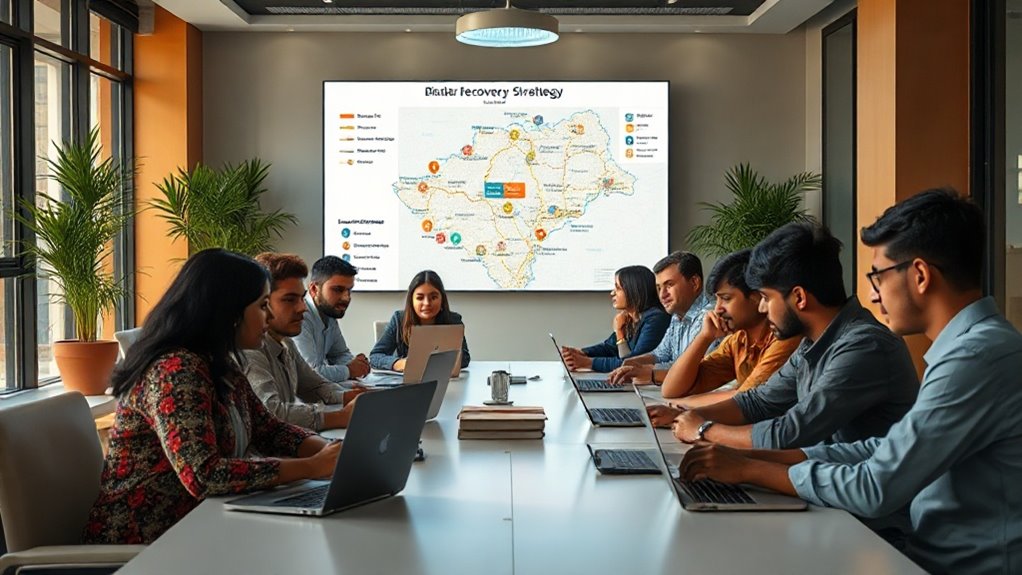
Server projects often begin with an urgent request and a short deadline. For IT teams in Noida, that pressure can lead to a poor hardware match. A better approach turns the need into a small set of measured choices. That is the core idea behind clear records and controlled access before an audit.
A good rental plan joins technical needs with business limits. It states what will run, who will use it, and how long it is needed. It also covers data care, support steps, and the final return. This balanced view helps the team avoid hidden work.
For a local search such as server rental in noida, it helps to move from broad options to a written scope. That scope should cover capacity, location, dates, access, and data needs. It should also state how faults and changes will be handled. Clear terms make the rental easier to manage.
Brief Overview
- Define the business goal and rental period before comparing hardware. Compare total cost, support scope, delivery terms, and return rules. Test security, backup, monitoring, and recovery steps before full use. Size CPU, memory, storage, and network needs from recent workload data. Keep clear records from delivery and setup through data wipe and return.
Build Clear Controls for Audit Needs
For IT teams in Noida, this step keeps the plan tied to real work. Keep security updates and exceptions in one record. Match controls to the real risk and required standard. Record hardware details from delivery to return. Store logs for the period set by policy. Use named accounts instead of shared admin logins. The result should be simple enough for another team member to review.
A short review at this stage can prevent costly rework near go-live. Check that former users no longer have access. Recheck third-party access and support rights. Apply named accounts instead of shared admin logins. Fix missing proof while the project team is available. Review records before the formal review starts. It also gives the team a clear reason for each change.
Keep Rental Hardware Inside Your Security Plan
This part matters because IT teams often work with tight dates and shared systems. Test how quickly access can be removed after a role change. Apply approved updates before the server enters service. Apply strong passwords and multi-step sign-in where supported. Restrict admin access to named people with a clear need. Agree on how disks will be wiped or retained at return. Clear notes will also help during support, renewal, or return.
Good planning here can protect time, data, and the working budget. Agree on how disks will be wiped or retained at return. Apply the same security checks applied to owned hardware. Review alerts so real risks are not lost in noise. Limit admin access to named people with a clear need. Review firewall rules before each new service goes live. The result should be simple enough for another team member to review.
Use a Fair and Documented Buying Process
For IT teams in Noida, this step keeps the plan tied to real work. Use clear terms for delivery, acceptance, and return. Record why the selected offer best meets the need. Score offers on fit, support, risk, and total cost. Ask for a full hardware list with part details. Store key documents where finance and IT can reach them. The team can then move forward with less doubt and fewer surprises.
Teams should make this decision while there is still time to test options. Reject vague scope lines that may cause later disputes. Note why the selected offer best meets the need. Keep technical and commercial reviews as separate steps. Send the same scope and dates to each provider. Confirm that the final order matches the approved quote. Clear notes will also help during support, renewal, or return.
Use Simple Monitoring to Catch Issues Early
This check gives technical and business owners a common view of the task. Recheck thresholds when the workload or server size changes. Use clear names for servers and alert groups. Test alert delivery after changes to email or phones. Maintain clocks in sync so logs can be compared. Track a small set of useful health measures. Clear notes will also help during support, renewal, or return.
Teams should make this decision while there is still time to test options. Define alerts before a limit becomes a user problem. Link alerts to support and escalation contacts. Track a small set of useful health measures. Recheck the dashboard during normal and peak hours. Write a response step for each major alert. A measured plan is easier to adjust when demand shifts.
Treat Restore Speed as Part of the Plan
A short review at this stage can prevent costly rework near go-live. Check backups again after major system changes. Protect backup accounts from normal user access. Measure how long key systems take to recover. Recheck retention rules with business and legal owners. Check a full restore, not only a backup job result. It also gives the team a clear reason for each change.
This part matters because IT teams often work with tight dates and shared systems. Maintain enough space for growth and required history. Maintain at least one copy away from the main server. Name an owner for daily backup review. Measure how long key systems take to recover. Define backup times around the busiest business work. That small step makes support and handover much easier.
Agree on Support Duties Before Go-Live
For IT teams in Noida, this step keeps the plan tied to real work. Give support staff safe remote access only when needed. Maintain model and serial details ready for every support call. Verify how fast a failed unit can be replaced. Send maintenance windows with users in advance. Define target response times for different levels of impact. Clear notes will also help during support, renewal, or return.
Teams should make this decision while there is still time to test options. Recheck support quality before extending the rental term. Give support staff safe remote access only when needed. Verify how fast a failed unit can be replaced. Keep spare cables and simple tools near the server. Recheck repeat issues instead of treating them as isolated events. A measured plan is easier to adjust when demand shifts.
Plan Decommissioning Before the Final Week
A clear approach helps teams in Noida avoid rushed changes later. Remove accounts, keys, and network access in a set order. Review final charges before approving the last invoice. Close open support cases before final handover. Review the condition against the arrival record. Plan transport so the equipment remains protected. The result should be simple enough for another team member to review.
This part server rental in India matters because IT teams often work with tight dates and shared systems. Recheck final charges before approving the last invoice. Confirm the condition against the arrival record. Prepare transport so the equipment remains protected. Keep proof of wipe, return, and provider receipt. Tell users when the service will move or stop. The result should be simple enough for another team member to review.
Frequently Asked Questions
Which costs should be included in a server rental budget?
Include rent, setup, delivery, support, tax, rack space, power, and network use. Check extension, return, and damage terms. Compare offers over the same period. The lowest monthly figure may not give the lowest total cost.
How should data be protected on rented hardware?
Use the same security rules applied to owned systems. Limit admin rights, install updates, encrypt sensitive data, and keep tested backups. Record how disks will be wiped or retained. Keep proof of the final data step.
When should the rental plan be reviewed?
Review it before delivery, after setup, during peak use, and before the end date. Check it again when users, data, dates, or app needs change. Regular reviews help the team adjust capacity before problems appear.
What should IT teams define before renting a server in Noida?
Start with the work, users, apps, data, and rental dates. Add expected demand and site limits. A short written brief gives every provider the same scope. It also helps the team judge each offer fairly.
How can a team estimate the right server capacity?
Use recent workload data when it is available. Review peak CPU, memory, storage, disk activity, and network traffic. Add room for growth. Test one key job before moving the workload.
Summarizing
A server rental should solve a defined need, not create a new set of unknowns. For IT teams in Noida, the safest path is to measure demand, document choices, and test key work. Clear support and exit steps complete the plan. The result is a more useful and manageable rental period.
When reviewing server rental in noida, use the project brief as the final test. Choose the option that fits the workload, schedule, site, and support need. Keep enough time for setup, testing, and a clean handover. A calm, documented process gives the team a better base for action.